



Dyslexia Symptoms in Children: What to Notice

Recognize dyslexia symptoms in children, learn what patterns to watch, and find practical school and home supports that protect confidence and learning.
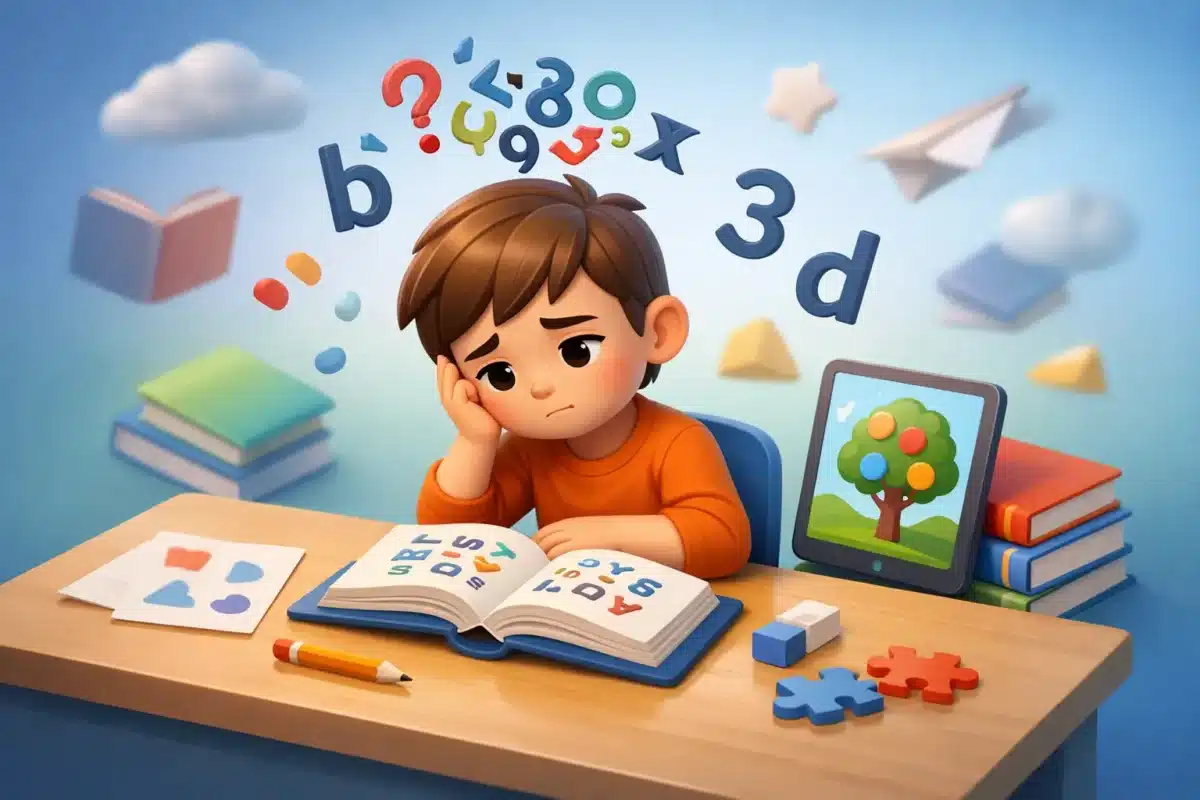
Recognize dyslexia symptoms in children, learn what patterns to watch, and find practical school and home supports that protect confidence and learning.
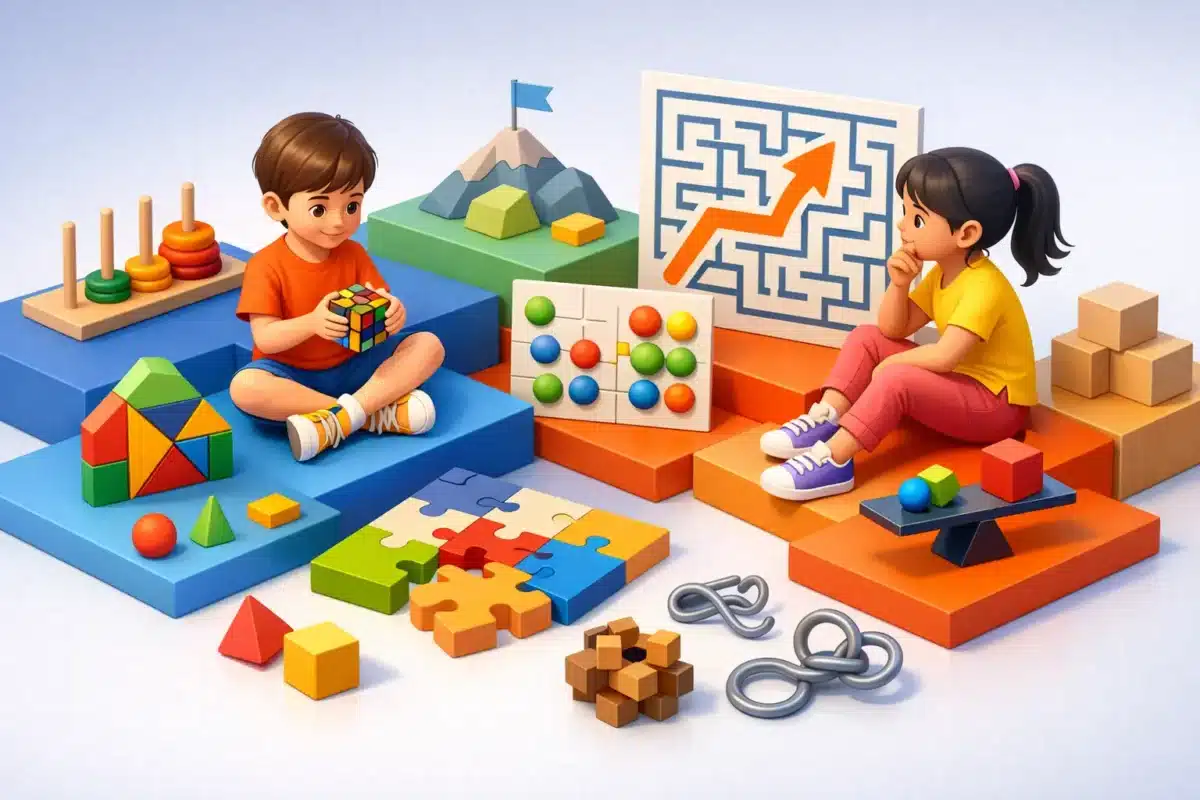
Logic puzzles for kids can build flexible thinking, focus, and confidence. Learn how to choose age-appropriate challenges and make puzzle time low-pressure.
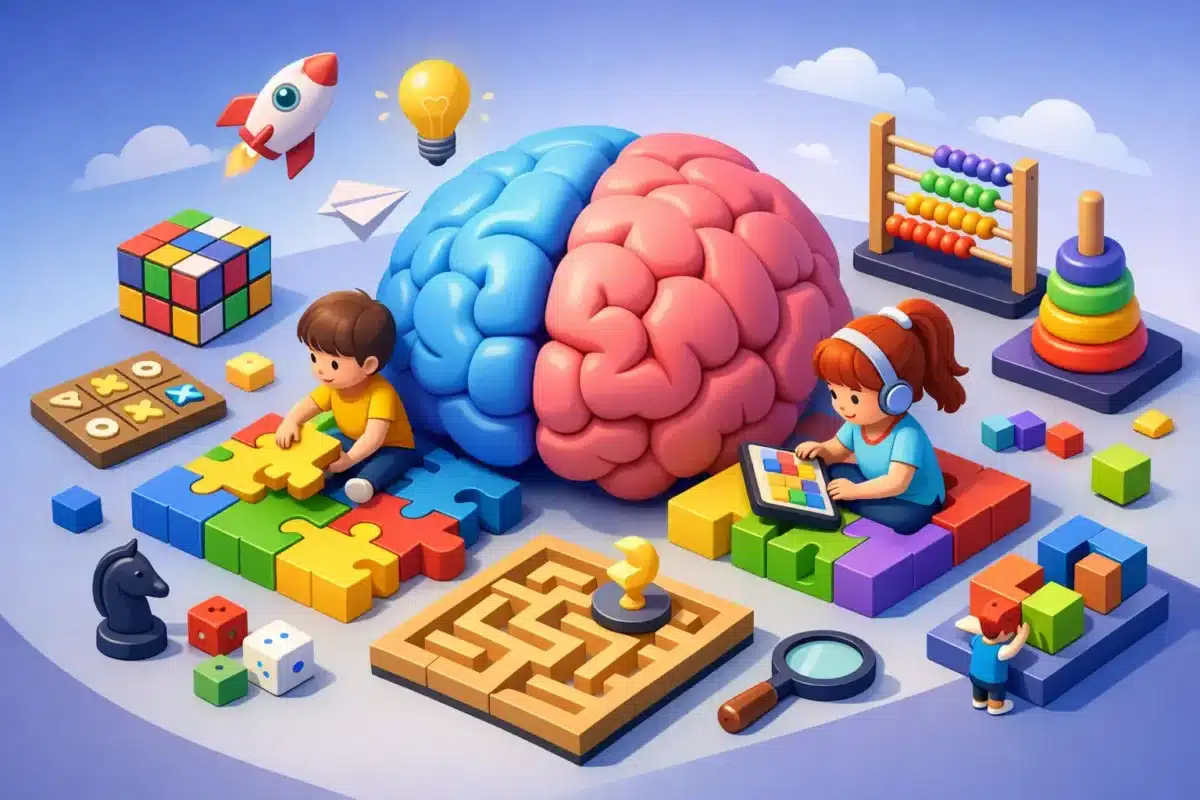
Free brain games can make practice feel lighter. Learn how to choose age-appropriate, low-pressure games for attention, memory, and learning each day.

Blue light glasses can reduce screen glare and color intensity, but their value depends on your habits, lenses, symptoms, and evening screen routine too.

Learn how vision improvement exercises can support visual comfort, focus, and screen habits for school-age children, plus when to seek eye care guidance.
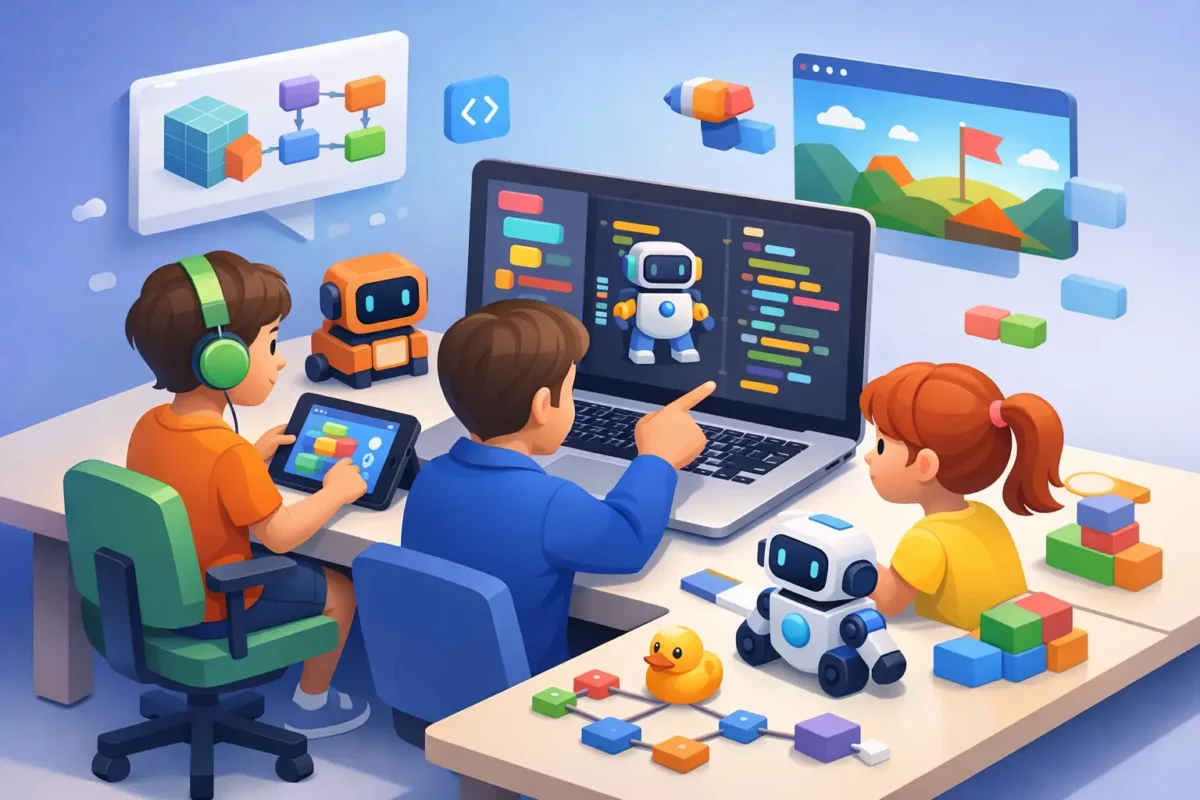
Coding for kids can build problem-solving, persistence, and creative confidence. Learn how to choose an age-appropriate first path at home or school settings.

A learn to read app can make reading practice more consistent. See which features help children build skills, confidence, and calmer routines at home daily.
Phonics for kids can make reading feel clearer and more manageable. Learn a playful, structured routine for sounds, blending, spelling, and confidence.

Discover STEM activities for kids that use everyday materials to practice focus, planning, curiosity, and confident problem-solving at home with family.
Study techniques for children who learn differently: build focus, recall, and confidence with flexible routines parents can use at home and at school.