



The 3am Wake-Up: A Kinder Map for the Middle of the Night

Waking at 3am is exhausting and lonely. Here is what is likely happening and what to do that is not doom-scrolling.
Waking at 3am is exhausting and lonely. Here is what is likely happening and what to do that is not doom-scrolling.
A weekly 15-minute Sunday reading ritual rebuilds dyslexic kids confidence before Monday. Here is what to choose, and what to skip.
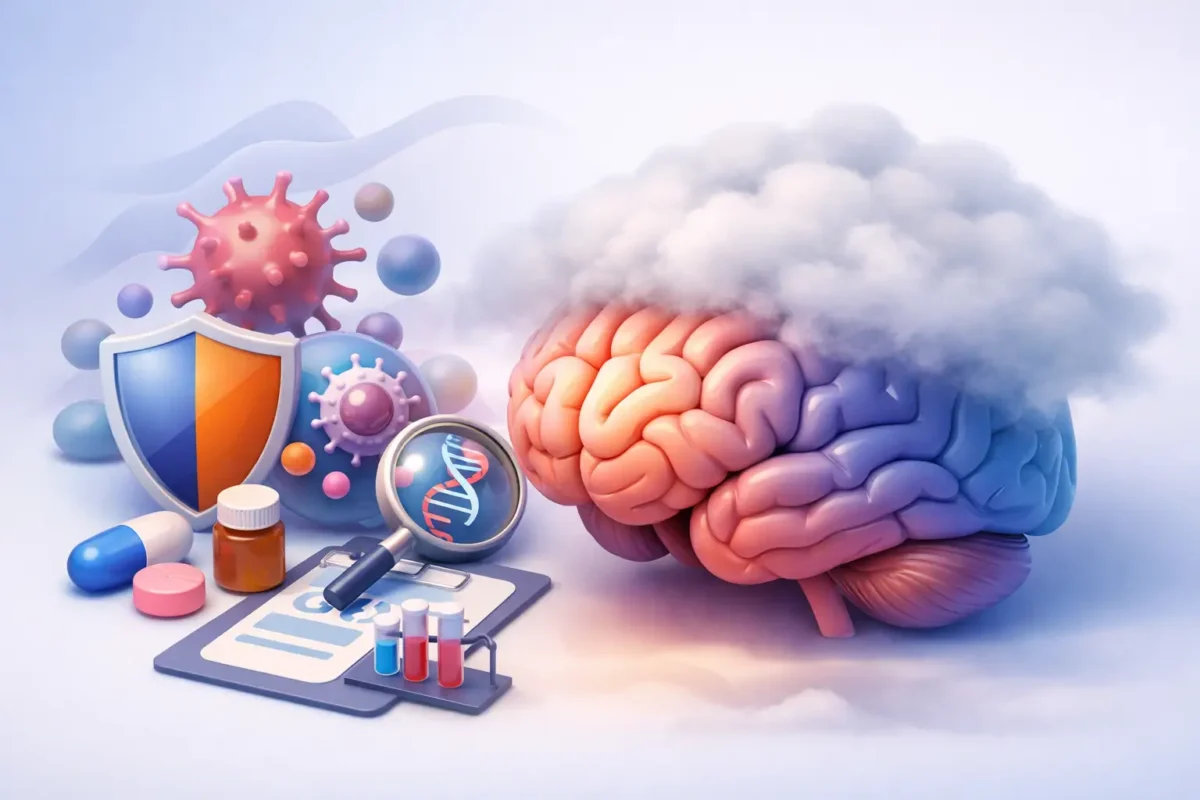
Autoimmune diseases can affect energy, focus, mood, and daily function. Learn why symptoms fluctuate and what supportive habits may help.
A practical guide to reading neurofeedback meta-analyses critically, including effect sizes, sham controls, and the protocol-specificity problem.
Americans spent $50 billion on supplements last year, and a huge share went to anxiety and mood support. Here’s what the evidence really says about magnesium, ashwagandha, L-theanine, and omega-3s — and where neurofeedback fits in.
Sometimes the most needed support is the kind that does not also need you back. A look at how an AI companion fills a different gap.
July 4th fireworks can overwhelm autistic children. A sensory plan covers headphones, lighting, exits, and the morning after.
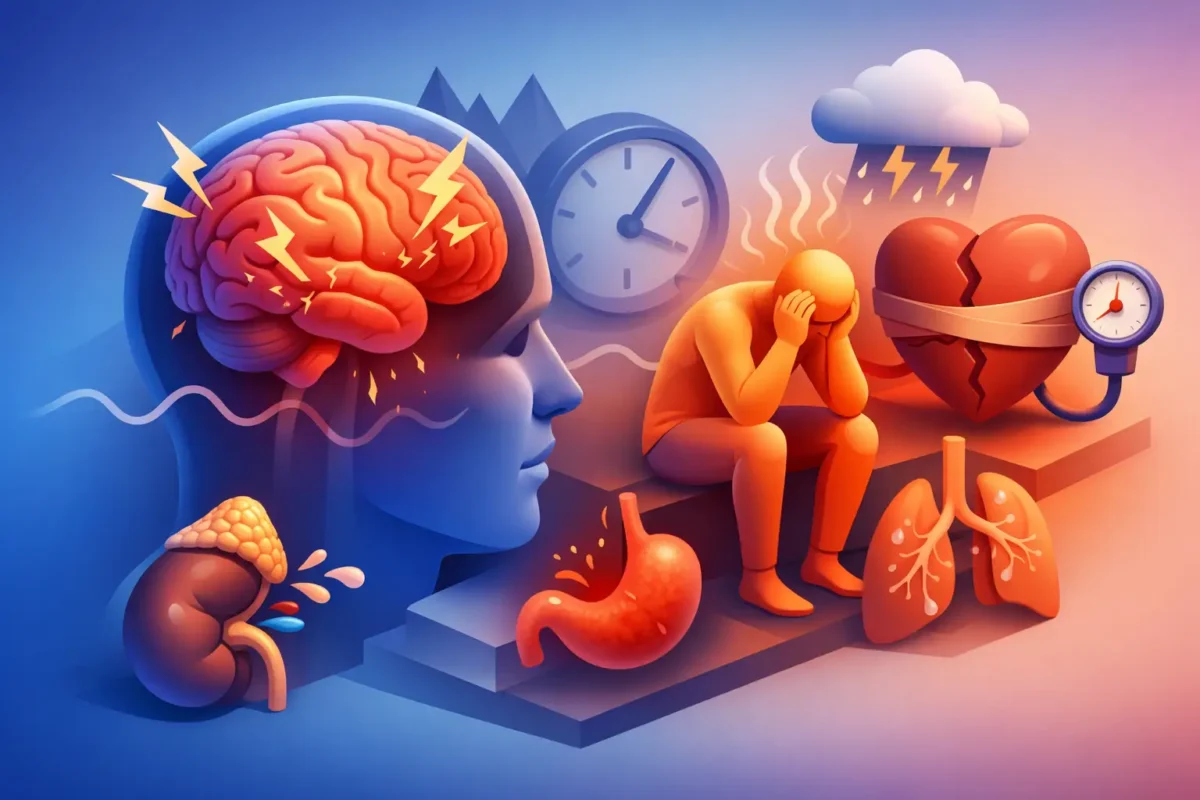
Stress can sharpen focus or drain it fast. Learn how stress affects the brain and body, when it becomes chronic, and what actually helps.
Many American adults feel worse on Friday night than on Monday morning. Here’s the neuroscience of the weekend crash — and how to land softly instead of collapsing.
If you spend Friday evenings flattened on the couch, your body is asking for a softer landing than full collapse. Here is what helps.