




When a child struggles to focus, read fluently, or keep up in class despite effort, families usually hear the same advice – try harder, add tutoring, wait and see. That is exactly why interest in eeg training for children has grown. Parents are not simply looking for another activity. They are looking for a safe, measurable way to support how the brain learns.
EEG training uses real-time brainwave data to give the child feedback during structured exercises. The goal is not to force behavior from the outside. The goal is to help the brain recognize and strengthen more efficient patterns through repetition. For children with attention challenges, dyslexia, learning differences, or neurodevelopmental needs, that distinction matters.
What EEG training for children actually means
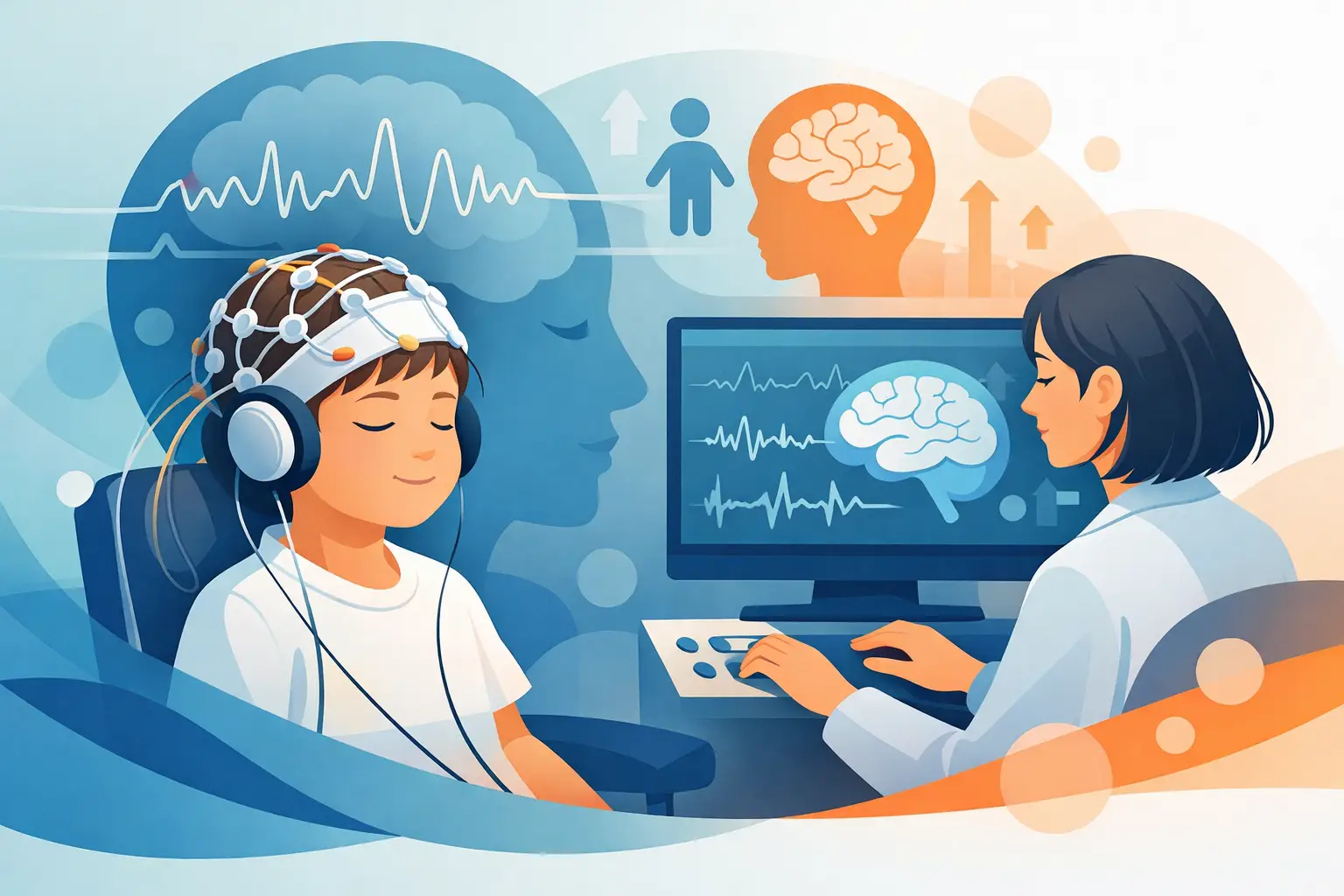
EEG stands for electroencephalography. In practical terms, it means a headset reads electrical activity from the brain through sensors placed on the scalp. The system does not send electricity into the brain. It reads signals and translates them into feedback the child can see or hear on a screen.
That feedback becomes the training loop. When the brain produces target patterns linked to sustained attention, regulation, or processing efficiency, the child receives an immediate response through the program. Over time, this repetition is designed to support neuroplasticity – the brain’s ability to adapt and build stronger functional pathways.
For parents, the most important point is simple: this is a training model, not a passive experience. It is structured, repeated, and tracked over time. Like any development program, consistency influences outcomes.
Why families consider EEG training
Most parents do not start by searching for brain-based training. They start with a problem that keeps repeating. A child reads but cannot explain what was read. Homework stretches into hours because attention drops after a few minutes. Teachers notice distractibility, slow processing, emotional frustration, or inconsistent performance.
Traditional supports can help, but they do not always address the underlying regulation issues that affect attention and learning. Medication may be appropriate in some cases, but many families also want non-drug options. Academic tutoring can improve subject knowledge, but if the child cannot sustain focus or process efficiently, progress may stay limited.
This is where EEG-based training becomes relevant. It aims to work at the level of brain regulation, which can influence higher-level skills such as reading comprehension, academic endurance, and task completion.
Which children may benefit most?
EEG training for children is often considered for those with attention difficulties, dyslexia, learning disabilities, autism-related regulation challenges, and other neurodevelopmental differences. It can also be relevant for children who are bright and capable but consistently underperform because attention control, reading speed, or self-regulation gets in the way.
That said, it is not a one-size-fits-all answer. A child with severe emotional distress, unaddressed sleep problems, unmanaged epilepsy concerns, or a mismatch between home expectations and developmental stage may need a broader care plan first. The strongest programs do not pretend every challenge has a single cause. They assess patterns, monitor progress, and adjust expectations based on the child’s profile.
What results do parents usually care about?
Parents rarely ask whether a brainwave chart looks better. They ask whether mornings are easier, whether reading takes less effort, whether the child can sit through schoolwork without constant redirection, and whether progress can be measured.
That practical focus is the right one. A credible EEG training program should connect training to observable outcomes such as sustained attention, reading fluency, reading comprehension, processing consistency, and task completion. In some cases, families also report improvements in frustration tolerance and confidence because the child begins to experience success more often.
The timeline varies. Some children show early shifts in engagement or endurance, while more meaningful academic changes may require months of regular use. Fast promises should be treated carefully. Brain-based change is real, but it is usually gradual and cumulative.
How home-based EEG training changes the experience
One reason families are paying more attention to this field is that home-based systems have made access easier. Instead of adding more clinic visits to an already crowded week, a child can complete guided sessions at home with structured support.
This matters more than it sounds. Children with learning challenges often already carry a heavy schedule of school, homework, therapy, and appointments. A home model reduces friction. It can also improve consistency, which is essential for training effects.
A well-designed home program should not feel like a guesswork app. It should include clear onboarding, a defined protocol, and expert oversight. Systems that combine EEG-based exercises with doctor and psychologist input tend to build more confidence for families because the process is monitored rather than left to trial and error.
Is EEG training safe?
For most families, safety is the first question, and it should be. EEG training is generally valued because it is noninvasive and does not involve medication. The headset reads brain activity; it does not stimulate the brain with electrical current. That makes it attractive to parents who want a side-effect-free support option.
Still, safety is not just about the device. It is also about how responsibly the program is built. Clinical logic, age-appropriate design, proper screening, and ongoing review matter. Families should expect a system grounded in research language, measurable progress tracking, and professional guidance rather than vague claims.
What good EEG training for children should include
Not all programs in this space are equally trustworthy. A strong program should be built around evidence, not marketing alone. Parents should look for a few non-negotiables: a clear explanation of how the training works, measurable goals, age-appropriate protocols, regular progress review, and involvement from qualified professionals.
It also helps when the program connects brain training to functional outcomes that matter in daily life. Better attention during lessons, improved reading speed, stronger reading comprehension, and more stable school performance are meaningful because they can be observed over time.
This is where a system like Auto Train Brain stands out naturally. The combination of EEG-based home training, specialist support, and a focus on measurable academic indicators reflects what families actually need – not just hope, but structure.
What EEG training cannot do
Parents deserve honesty here. EEG training is not magic, and it is not an overnight fix. It does not replace thoughtful teaching, sleep, emotional support, or a proper diagnostic process. If a child has significant language gaps, trauma, sensory needs, or classroom mismatch, those factors still need attention.
It is better to think of EEG training as part of a broader developmental strategy. For some children, it can create the regulation foundation that makes tutoring, reading intervention, or school accommodations work better. For others, benefits may be moderate rather than dramatic. That does not mean the training failed. It means the child’s needs are multidimensional.
How parents can judge whether it is working
The best way to evaluate progress is to watch both data and daily life. If a program tracks consistency, session completion, and targeted cognitive changes, that is useful. But parents should also notice whether homework battles shorten, reading becomes smoother, or teacher feedback starts to shift.
A realistic review period matters. Judging too early can cause families to stop just before meaningful gains begin. On the other hand, staying in a program with no measurable or observable change for too long is not ideal either. The right providers help families make these calls with transparency.
Is it worth considering?
If your child is working hard but still struggling with attention, reading, or academic consistency, EEG training deserves serious consideration – especially when you want a noninvasive, structured, and measurable option. The strongest case for it is not that it sounds innovative. The strongest case is that it aims to improve the brain functions that sit underneath learning performance.
For many families, that shift in perspective is powerful. Instead of asking a child to keep compensating for the same invisible bottlenecks, you begin supporting the system that drives focus, regulation, and comprehension in the first place.
The right next step is not to chase promises. It is to choose solutions that are safe, research-informed, professionally supported, and built around real outcomes your family can actually see over time. That is where confidence begins.