



Slow Wave Sleep and EEG: A Recovery Science Primer

What slow waves do during deep sleep, why they matter for cognitive recovery, and how EEG quantifies the difference between sleep and rest.
What slow waves do during deep sleep, why they matter for cognitive recovery, and how EEG quantifies the difference between sleep and rest.
504 plan or IEP for your child with ADHD? Here is how U.S. parents decide, what each covers, and the deadlines you cannot miss.
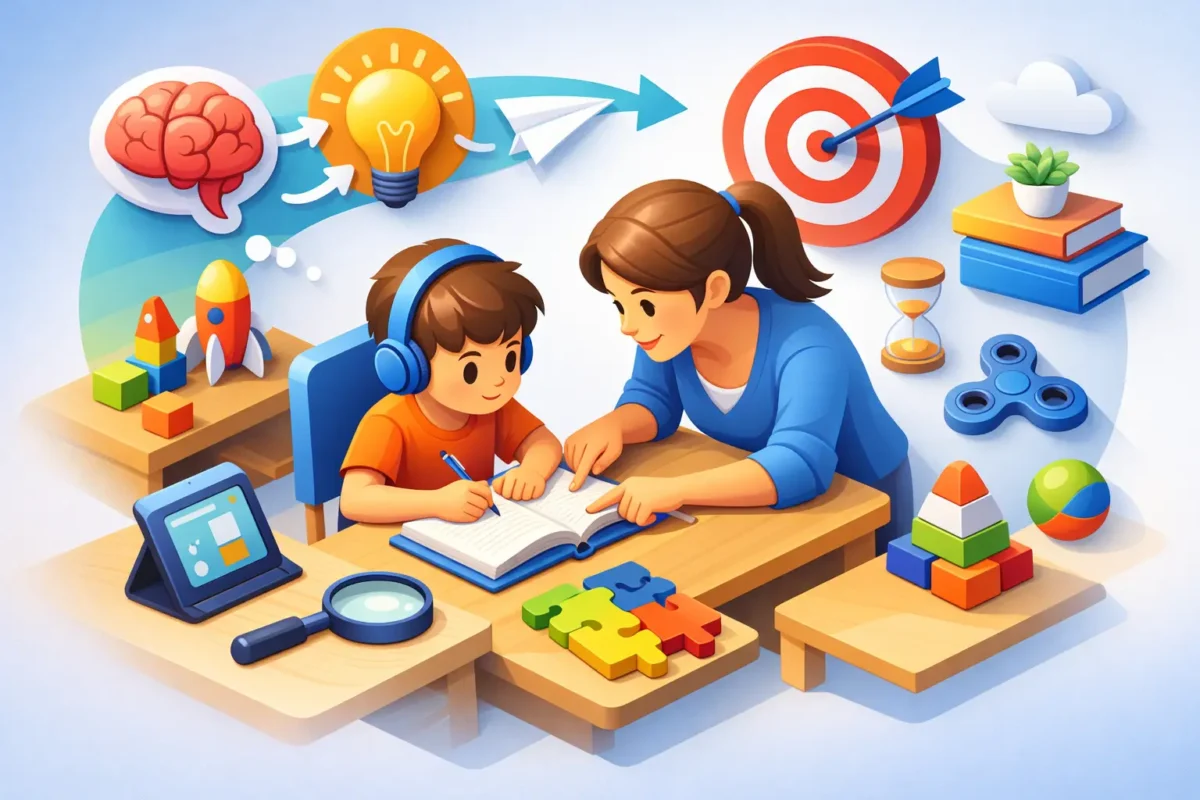
A child attention improvement guide for parents with practical, science-backed ways to build focus, reduce overload, and support lasting progress.
Forget the perfect reading schedule. Here’s a simple, realistic weekly reading routine that fits American family life and genuinely supports a struggling reader.
A clear look at what controlled EEG studies show about caffeine’s measurable effects on alpha, beta, and theta activity.
Summer slide hits dyslexic kids hardest. A 20-minute daily plan (decoding, fluency, comprehension) protects months of gains.
Sunday is the secret weapon for ND families. Learn a calm, practical reset routine that prepares dyslexic, ADHD, and autistic kids for a smoother Monday morning.
Americans drink 400 million cups of coffee a day, but for the 40 million U.S. adults with anxiety, caffeine can quietly amplify symptoms. Here’s the science — and how neurofeedback rebuilds the calm focus you were chasing in the first place.
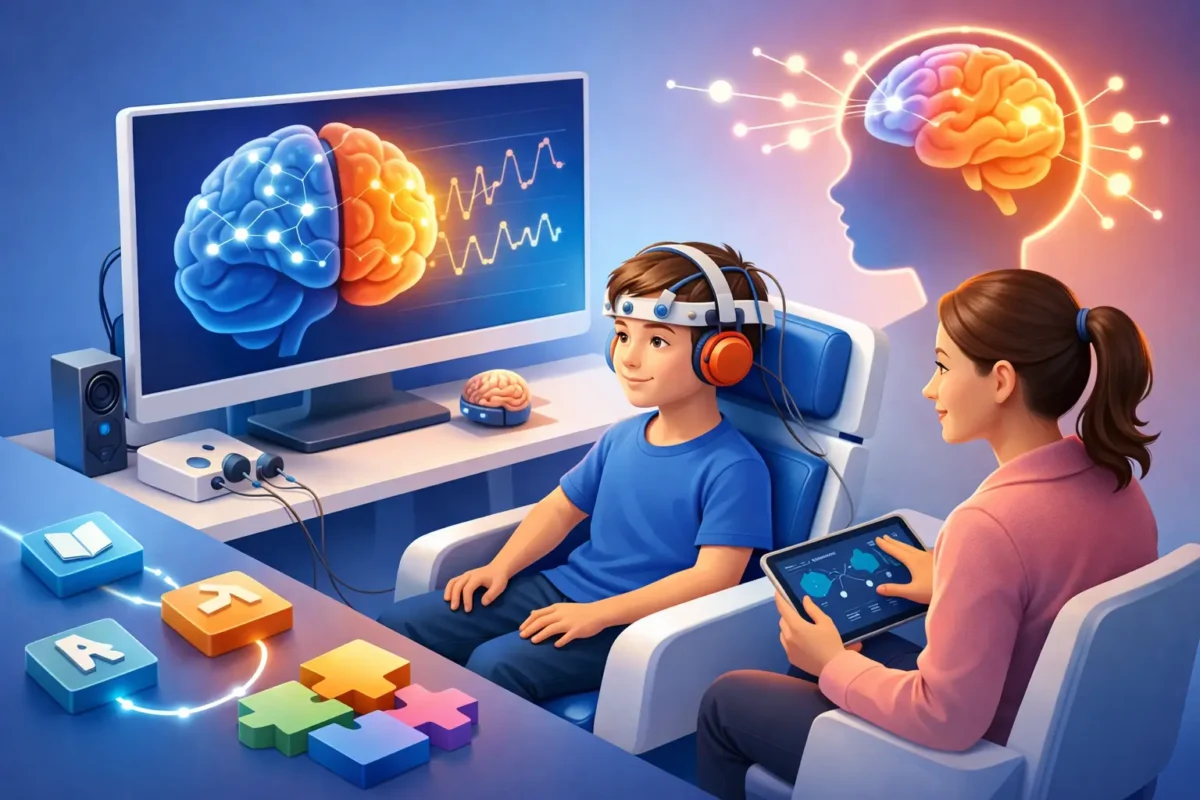
How some families describe their own experience of cognitive training at home. These are individual accounts, not typical results, and they predict nothing for any other child.
A dyslexia-friendly morning routine swaps written checklists for pictures. Here is a 7-step visual plan that calms school-day starts.